

Helping orphans means giving children without parental care the safety, education, and emotional support they need to grow up whole. It’s not just about one-time charity. UNICEF estimates over 140 million children worldwide have lost at least one parent. These children face higher risks of poverty, exploitation, and poor health. Every form of consistent support, big or small, changes that.
Why Helping Orphans Matters Right Now
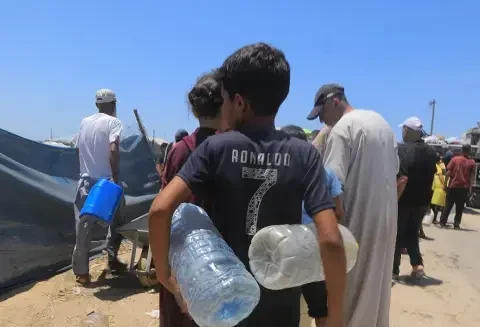
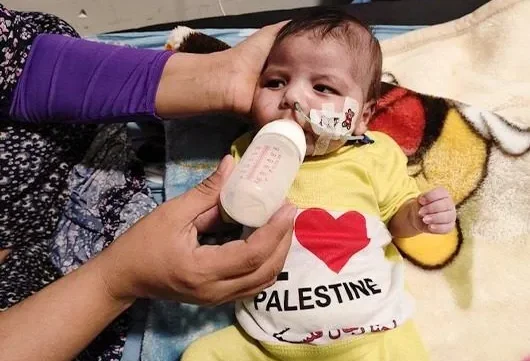
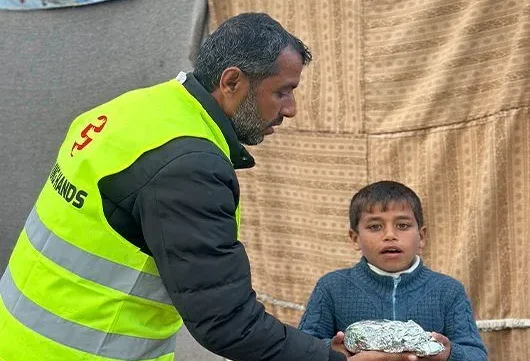
The scale of the crisis is hard to sit with. According to UNICEF, millions of orphaned children live outside any formal care system, which means no school, no steady meals, and no adult to advocate for them. Conflict, disease, and displacement keep adding to that number every year. Palestinian, Somali, Bangladeshi, and Rohingya children are among the most exposed. Orphan care isn’t a niche cause. It’s one of the most urgent humanitarian needs on earth. At Giving Hands, our orphan sponsorship program works to fill exactly these gaps, connecting children with the sustained support they need to rebuild their futures.
Key Facts About Orphans Most People Don’t Know
The word “orphan” often misleads people. Many assume it means a child with no living parents at all. But UNICEF’s definition includes children who have lost just one parent — and that group makes up the vast majority. According to the World Bank, orphaned children are significantly more likely to drop out of school and fall into child labor. Girls face particular risks, including early marriage. Sub-Saharan African and South Asian communities carry the heaviest burden, with millions of children in displaced or conflict-affected settings growing up without a consistent caregiver.
What Actually Helps an Orphaned Child?
Sponsoring an orphaned child means meeting their real, daily needs — not just one of them. According to UNICEF, orphaned children face gaps in three areas at once: food, education, and safe shelter. Addressing just one rarely breaks the cycle. A child who gets school fees paid but has no food at home will drop out within months. A child with food but no school has limited prospects as an adult. Effective help reaches all three needs together, consistently, over years. That long-term consistency is what separates meaningful support from short-term relief.
Education Support Matters Most Long-Term
School is the single most powerful path out of poverty for an orphaned child. Without it, girls face early marriage. Boys face child labor. According to the World Bank, a child who completes secondary school earns up to 10% more per year of schooling as an adult. Supporting school fees, uniforms, and books keeps a child in class. It also keeps them off the street.
Food Security Keeps Children in School
Hunger and education don’t mix. A child who skips meals can’t focus. Many orphaned children in Somali, Bangladeshi, and Palestinian communities miss school during food shortages. Regular meal support, even simple and affordable, changes attendance rates fast. Where food is steady, school attendance rises. Where it isn’t, even free school fails.
Who Is Most at Risk Among the World’s Orphans?
Girls, younger children, and children in conflict-affected areas face the worst outcomes. Girls orphaned before age 12 are at high risk of child marriage, according to UNICEF data. Younger children need adult supervision they rarely get. Children displaced by conflict lose both parents and community at once. Rohingya children in Cox’s Bazar, Palestinian children in besieged areas, and Sudarian children in displaced camps sit at the edge of multiple crises at the same time. They don’t need occasional help. They need someone in their corner, season after season.
Common Mistakes People Make When Trying to Help Orphans
Most people want to help. But good intentions don’t always lead to good outcomes. One-time donations help in emergencies, but they rarely build anything lasting. Sending used clothing overseas often costs more in shipping than the items are worth, and it can undercut local markets. Volunteering abroad for short trips rarely transfers skills and sometimes disrupts the children’s routines. According to the World Bank, the most effective aid is predictable, long-term, and locally delivered. The teams working on the ground don’t make headlines. They show up, week after week, year after year.
How Does Orphan Sponsorship Actually Work?
Orphan sponsorship connects a donor to a named child’s ongoing needs. It isn’t a one-time gift. It’s a commitment to cover a child’s core needs, usually education and food, for a set period. Most programs channel funds through local partner organizations in-country. Those partners identify children, verify need, and deliver support directly. Donors often receive updates on the child’s progress. Giving Hands works this way across the communities it serves, from Bangladeshi families to Palestinian children to Rohingya families in Cox’s Bazar. The goal is always the same: predictable support that gives a child room to grow.
What You Can Do Right Now to Help Orphans
Helping orphans doesn’t require a plane ticket or a huge sum of money. UNICEF estimates there are around 140 million orphaned and vulnerable children worldwide. Most of them need the same basic things: food, school, and someone who shows up consistently. Orphan sponsorship, local volunteering, and advocacy are all proven paths. The most meaningful help is long-term. Short, irregular acts of kindness rarely build the stability a child needs to grow.
Does the Type of Help Actually Matter?
Not all help lands the same way. A child in a displaced community doesn’t just need a meal today. They need meals next month too. According to the World Bank, predictable support produces better outcomes than one-time aid. Choosing a sustained form of involvement, whether through a sponsorship program or consistent awareness work, makes a measurable difference. The type of help shapes the outcome.
How Do You Know Your Help Is Reaching the Right Children?
This is the right question to ask. Look for programs that work through verified local partners. Those partners know the families, the schools, and the real gaps. Giving Hands works this way, channeling support through trusted networks across Bangladeshi, Palestinian, Rohingya, and other vulnerable communities. Good programs share updates. They name the children they serve. Transparency isn’t optional. It’s the baseline.
Behind every child who finishes school is a long list of people who stayed involved after the news cycle moved on. That kind of quiet, sustained commitment is what Giving Hands is built on. The communities we serve, from Palestinian families to Rohingya children in displacement, don’t need a moment of generosity. They need a pattern of it. See how this work continues at givinghands.ca/our-work.