

Zakat is one of Islam’s five pillars. It’s a fixed, annual payment of 2.5% of eligible wealth given to those in need. It applies to every Muslim adult who holds wealth above the nisab threshold for a full lunar year. The nisab in 2026 equals the value of 85 grams of gold or 595 grams of silver. Zakat isn’t optional charity. It’s a binding obligation.
Why a Simple Zakat Guide Matters Right Now
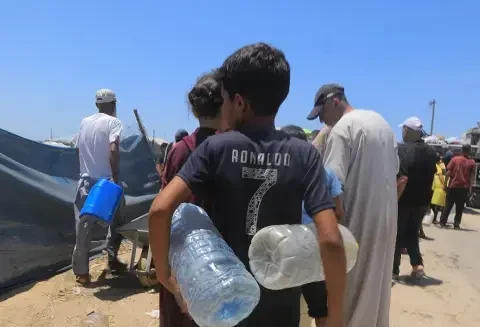
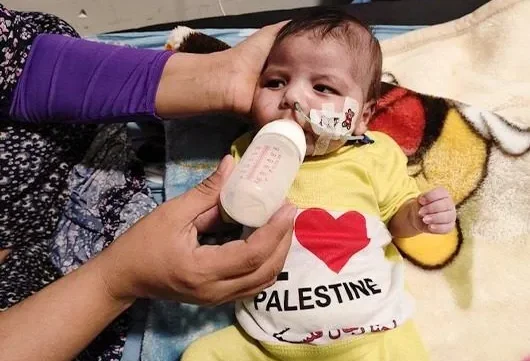
Many Muslims want to pay zakat correctly but find the rules confusing. Gold nisab and silver nisab give different thresholds, and most scholars recommend using silver because it includes more people and aligns with the Prophet’s (peace be upon him) practice. According to Pew Research, there are about 1.9 billion Muslims worldwide. That’s a massive collective obligation. When zakat reaches the right people, it pulls families out of hardship fast. Gazarian families, Bangladeshi communities, and Rohingya refugees in Cox’s Bazar all depend on consistent, structured support from the ummah. You can learn more about how Giving Hands distributes zakat across long-term programs. Getting the calculation right is the first step.
Key Facts About Zakat Most People Get Wrong
Zakat isn’t calculated on your total income. It’s calculated on your net surplus wealth held for one full lunar year (the hawl). Many people miss that business inventory, gold jewelry, and savings accounts all count as zakatable assets. Cash sitting in an account is zakatable. A car you drive daily is not. According to the World Bank, about 700 million people still live on less than $2.15 USD per day. Zakat, when paid correctly and distributed well, directly targets that gap. The rate is always 2.5%. But what you apply it to changes everything. Most calculation errors come from not knowing what to include, not from misunderstanding the percentage itself.
Does Zakat Apply to Gold Jewelry?
Gold jewelry is one of the most debated zakatable assets. Many scholars say yes, gold jewelry is zakatable if it meets the nisab threshold and you’ve held it for a full lunar year. The nisab for gold is 85 grams. If your jewelry collection crosses that weight, zakat is due at 2.5%. Some scholars from the Hanbali school hold that personal-use jewelry is exempt. But the majority position, held by scholars like Imam al-Nawawi, is that it’s zakatable regardless of use. If you’re unsure which opinion to follow, ask a qualified scholar in your local community.
What Counts as Zakatable Wealth?
Not all assets trigger zakat. The categories that do are gold, silver, cash, trade goods, livestock, and agricultural produce. For most Canadian Muslims, the relevant ones are cash savings, gold or silver held, and business inventory. Personal items like your car, home, and furniture don’t count. Receivable debts you expect to collect do count, once received. According to AAOIFI (Accounting and Auditing Organization for Islamic Financial Institutions), investment shares are zakatable based on the underlying zakatable assets of the company. Knowing what’s in and what’s out removes most of the confusion around this simple zakat guide.
Is Money in a Registered Account Zakatable?
Yes. Cash in a savings account, TFSA, or RRSP is still your wealth. Scholars generally agree that zakatable cash includes any money you own and can access. The fact that it sits in a registered account doesn’t change its status. Calculate the balance at your zakat date. Apply the 2.5% rate. Some scholars say to subtract expected tax penalties on RRSP withdrawals first. But most treat the full balance as zakatable. When in doubt, paying more zakat is never a wrong choice.
What About Business Inventory?
Business owners often miss this. If you run a business, your stock for sale is zakatable. You add up the market value of your inventory at your zakat date. You also count cash held by the business and receivables you expect to collect. You can subtract short-term debts the business owes. The net zakatable total gets the 2.5% rate applied. According to scholars like Ibn Uthaymeen, trade goods have been zakatable since the early Muslim community. This rule covers small businesses, freelance income held, and online retail stock alike.
Who Receives Zakat? The Eight Categories
The Quran defines exactly who can receive zakat. In Surah At-Tawbah (9:60), Allah names eight categories: the poor, the needy, those who administer zakat, those whose hearts are being reconciled, those in bondage, those in debt, in the cause of Allah, and the stranded traveler. These categories aren’t vague. They’re specific. The poor and needy together make up the largest group globally. UNICEF estimates that about 333 million children lived in extreme poverty as of recent years. Zakat, distributed properly, reaches families in crisis from Bangladeshi communities to Rohingya families in displacement camps.
How Zakat Transforms Communities Over Time
Zakat isn’t a one-time fix. It works because it repeats every year, flowing from those with surplus to those with need. Families who receive consistent support rebuild their footing. Children stay in school. Parents start small businesses. The cycle of poverty doesn’t break overnight. It breaks through years of quiet, sustained giving from an ummah that stays committed. The communities Giving Hands serves across multiple regions don’t need a single large gift. They need reliable support that shows up season after season. That’s what a properly paid, properly distributed simple zakat guide makes possible.
What Your Zakat Means in Practice
Zakat is not a theory. It is a system that works when Muslims act on it. The nisab threshold sits at roughly $5,300 USD worth of gold equivalent today. A Muslim with savings above that level owes 2.5% annually. UNICEF estimates that about 333 million children lived in extreme poverty in recent years. Consistent zakat, flowing to the right recipients through committed organizations, reaches those children’s families. At Giving Hands, our work across multiple regions reflects that commitment. The communities we serve don’t need a single burst of attention. They need sustained, structured care that shows up year after year.
How Do You Know Your Zakat Is Reaching the Right People?
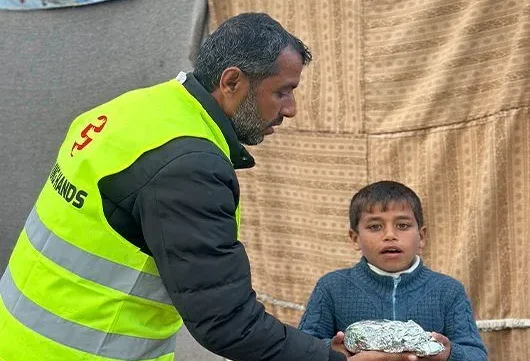
Trust comes from transparency. Look for organizations that publish their distribution methods, identify recipient categories from Surah At-Tawbah (9:60), and operate with CRA-registered status. A CRA charitable tax receipt confirms that a Canadian organization meets federal standards for accountability. Giving Hands holds that status. Our field teams direct funds to verified recipients across Bangladeshi, Palestinian, Rohingya, and other communities. The eight categories from the Quran are not loose guidelines. They are the standard, and proper zakat distribution follows them closely.
What Happens When Zakat Is Paid Consistently Over Years?
Change takes time. Families who receive consistent support rebuild slowly. Children stay in school. Parents open small businesses. A single zakat payment helps. A decade of collective zakat payments from a committed ummah changes the structure of a community. The World Bank has documented how repeated cash transfers to low-income households reduce generational poverty at measurable rates. Zakat works the same way, but with the added weight of religious obligation and spiritual reward behind every payment.
Paying zakat is not just an annual task to check off. It is a decision to stay connected to the ummah’s shared responsibility. The simple zakat guide framework, built on nisab, hawl, and the 2.5% rate, exists because Islam wanted this obligation to be clear and accessible. Giving Hands carries that same clarity into its work. Our long-term programs serve families who depend on Muslims choosing to stay engaged, year after year, well past any single season of giving. See how this work continues.